
locations
Le-Pelle
1511 Locust St
Walnut Creek
CA 94596
Tahoe natural Beauty
4101 Lake Tahoe blvd
South Lake Tahoe
CA, 96150
Free consultation



Melasma is not sun damage and it is not age spots, which is why the treatments people try for those tend to fail. It is hormonal, it is stubborn, and some of the treatments marketed for it can make it worse. Here is the honest version.
Melasma shows up as larger symmetrical patches, usually across the cheeks, forehead, upper lip or jawline, and it is grey brown rather than the crisp small dots of sun damage. It is driven by hormones as much as by light, which is why it so often arrives during pregnancy, after starting the contraceptive pill, or with hormone therapy, and why it affects women far more than men.
That hormonal element is what makes it different, and it explains the frustration. Melasma is chronic. It is managed rather than cured. It fades and returns, and a single sunny weekend can undo months of progress. Anyone offering to get rid of it permanently does not understand the condition.
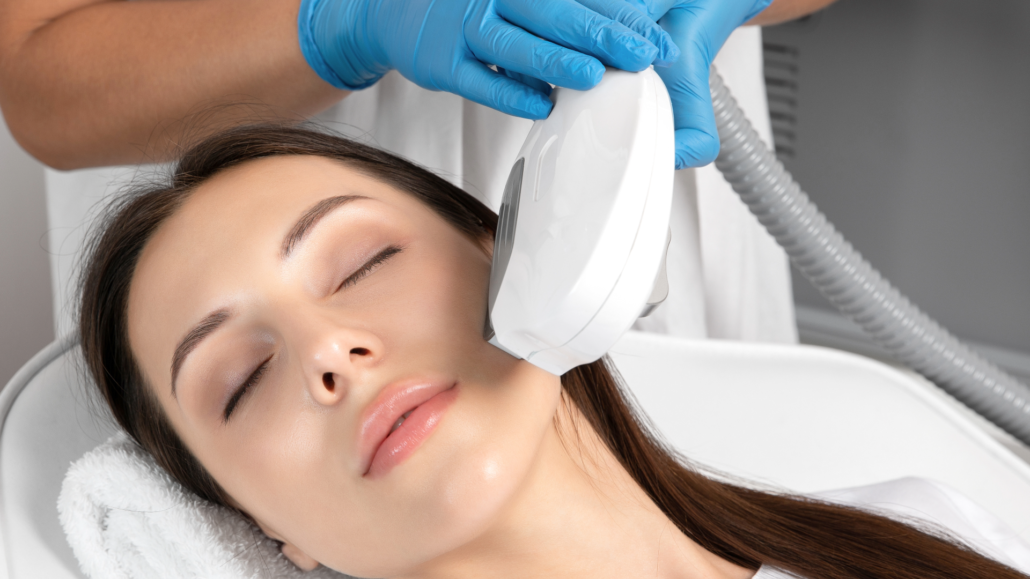
Now the part that matters most, and that you will not read on most clinic websites. Heat aggravates melasma, not just ultraviolet light. That puts a question mark over the treatments most commonly marketed for it: intense light and laser can trigger a rebound where the pigment comes back darker than before, and the risk is higher in richer skin tones. We are not going to sell you a treatment that has a realistic chance of making your face worse. If you have been quoted IPL for melasma elsewhere, ask them about rebound before you book.
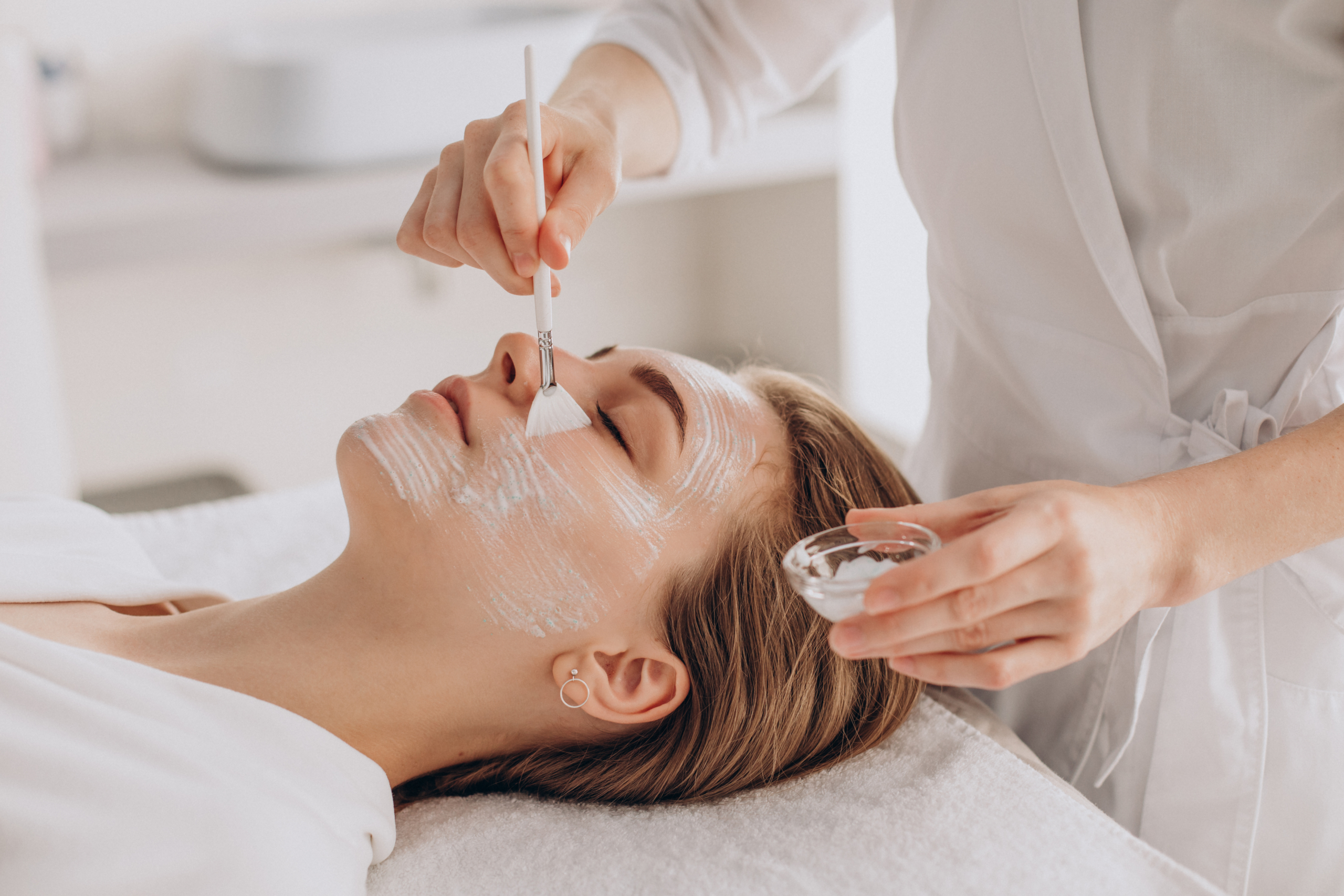
What does help is less glamorous and more effective. Rigorous daily protection from light, which is the actual treatment rather than the aftercare. Careful, gentle surface work to improve how the patches read. And for many people a dermatologist, because the prescription creams that work best on melasma are exactly that, prescription. We will tell you honestly where we can help and where you need someone else.
We do not push light-based treatment at melasma. Making it worse is not an acceptable outcome.
Melasma, sun damage and post-inflammatory marks look similar and need different handling.
Careful surface work to soften how the patches read, without provoking them.
Daily light protection is the treatment. We show you what actually blocks visible light.
A plan you can hold for years, rather than a course that fails in the summer.
If prescription treatment is what you need, we tell you instead of substituting for it.
Start with a free consultation and we map out the plan that suits your goals.
The consultation is the most valuable part for melasma. We look at the pattern, the distribution and the depth, and separate melasma from sun damage and from post-inflammatory marks, because they are treated differently and being wrong is costly. We go through your hormonal history and your sun habits honestly. Then you get a plan: what we can gently improve, what you must do daily, and whether you should be seeing a dermatologist alongside us.
Any treatment we recommend for melasma is gentle by design, so there is little to recover from. The realistic picture is this: melasma is a long-term condition that is managed rather than cured. Improvement is gradual, it fluctuates with the seasons and with your hormones, and it depends far more on your daily light protection than on anything done in a treatment room. That is not a disappointing answer, it is the accurate one, and knowing it is what stops people wasting years and money on treatments sold as permanent.
No. It can be managed, sometimes very well, but it is a chronic condition that recurs. It responds to light exposure and to hormonal change, and both of those keep happening. Anyone promising to clear it permanently either does not understand melasma or is not being straight with you.
This is the most important question on this page, and the honest answer is that it carries real risk. Melasma is aggravated by heat as well as ultraviolet light, and light-based treatments can trigger a rebound where the pigment returns darker than it started. The risk is higher in richer skin tones. It is why we do not lead with light-based treatment for melasma, even though it is widely marketed for it. If another clinic has recommended it to you, ask them specifically about rebound.
Sun damage tends to appear as small distinct spots wherever the sun has hit you, and it responds well to treatments that target individual pigment. Melasma comes as larger symmetrical patches, is driven by hormones as well as light, and behaves far more stubbornly. Treating melasma as if it were sun damage is the most common reason people fail to improve it.
Because melasma is hormonally driven. Pregnancy is one of the most common triggers, which is why it is sometimes called the mask of pregnancy. It sometimes fades after birth and often does not, and it can be provoked again by the contraceptive pill or hormone therapy.
Protect your skin from light every day, properly. Not just on holiday and not just in summer. And use a tinted or iron-oxide sunscreen rather than a standard one, because visible light passes straight through most sunscreens and visible light triggers melasma. It is free advice and it outperforms any treatment you could pay us for.
Often yes, alongside anything we do. The topical treatments with the strongest evidence for melasma are prescription only, and we do not prescribe. We can improve how the patches read and we can build your protection plan, but if you want the full range of options a dermatologist has them and we will say so.
Assume so, and plan for it. Sun exposure and hormonal change both bring it back, which is why melasma is a management plan rather than a course of treatments. The people who do best are the ones who accept that early and stay consistent with protection.
Book a free consultation and take the first step toward healthier, more confident skin.
Le-Pelle
1511 Locust St
Walnut Creek
CA 94596
Tahoe natural Beauty
4101 Lake Tahoe blvd
South Lake Tahoe
CA, 96150