UNVEIL YOUR TRUE BEAUTY WITH LE PELLE’S EXPERT CHEMICAL PEEL TREATMENTS
At Le Pelle, we are dedicated to helping you rediscover your radiant and rejuvenated self through our specialized Chemical Peel treatments. Our mission is to harness the power of chemical peels to unlock your skin’s hidden potential.
WHAT EXACTLY IS A CHEMICAL PEEL?
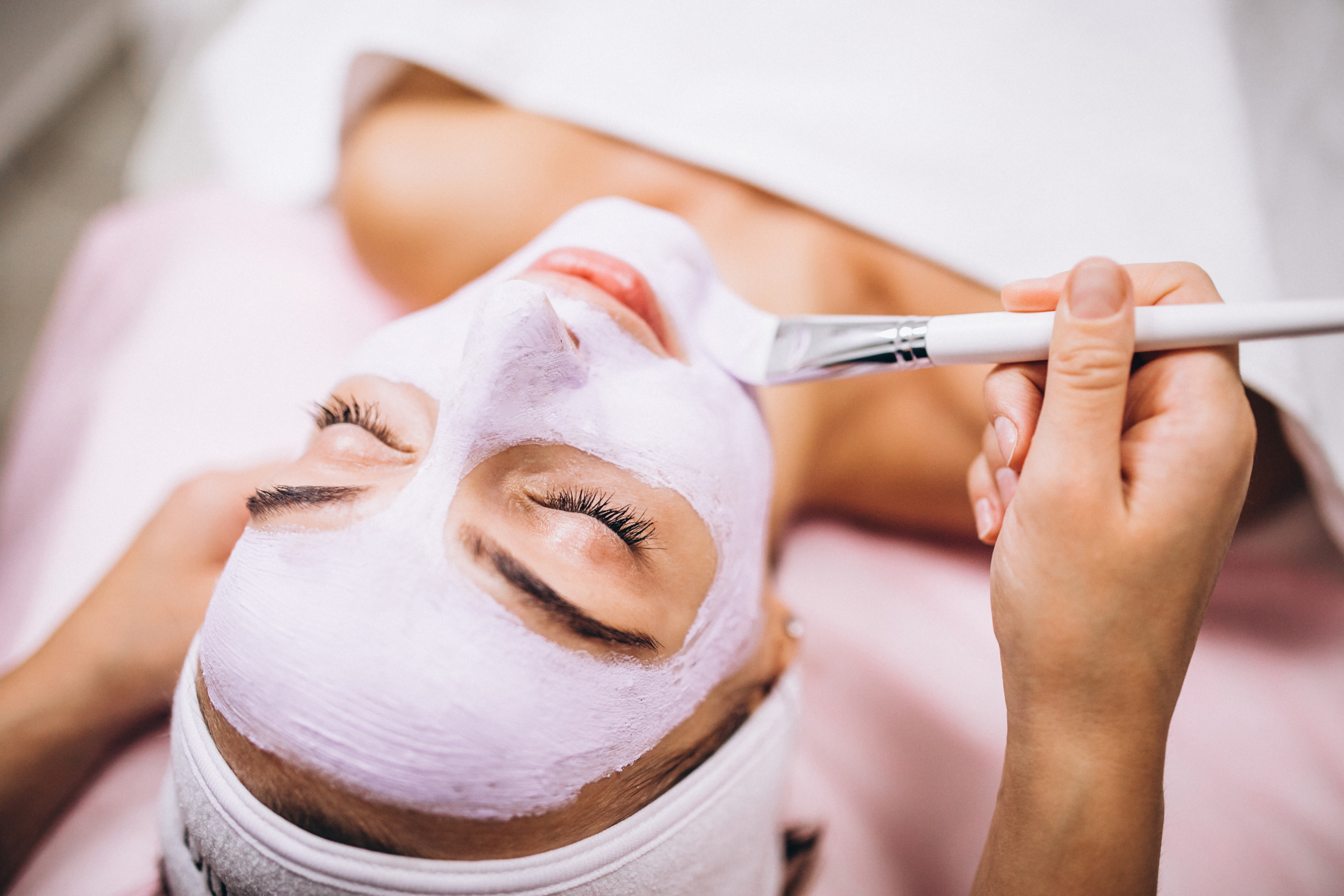
A Chemical Peel at Le Pelle is a professional skincare treatment that harnesses the potency of a chemical solution to gently exfoliate and remove the outermost layers of your skin. This transformative process kickstarts your skin’s natural rejuvenation, revealing a fresher, more youthful complexion beneath. Our diverse range of peels is meticulously crafted to address a wide array of skin concerns, from fine lines and wrinkles to acne scars and the bane of uneven skin tone.
THE AMAZING BENEFITS OF LE PELLE’S CHEMICAL PEELS
When you choose Le Pelle for your chemical peel treatment, you’re in for a world of benefits:
Enhanced Skin Texture: Our chemical peels work wonders in smoothing out imperfections, giving your skin a refined and revitalized texture.
Anti-Aging Marvel: Bid farewell to those pesky signs of aging, including stubborn wrinkles and age spots, as our chemical peels turn back the clock on your skin.
Acne and Scarring Solutions: Say goodbye to acne troubles and embrace the reduction of acne scars with our effective chemical peels.
Radiant Complexion: Our chemical peels are adept at evening out your skin tone, bestowing upon you a brighter and more radiant complexion.
Personalized Solutions: Each of our chemical peel treatments is fully customized to cater to your unique skin type and individual concerns, ensuring the best possible results.
YOUR LE PELLE JOURNEY
Your journey to rejuvenated skin begins with a comprehensive skin assessment conducted by our experienced estheticians at Le Pelle. This assessment is integral in helping us select the perfect chemical peel tailored to your skin’s specific needs and goals. During the treatment, you can expect a comfortable experience, with sensations ranging from a gentle tingling to a soothing warmth, depending on the chosen peel. Rest assured, your safety, comfort, and satisfaction are our top priorities.
POST-TREATMENT CARE AND THE RESULTS YOU DESERVE
Following your chemical peel at Le Pelle, it’s perfectly normal to experience temporary redness and peeling as your skin undergoes its natural renewal process. Our dedicated team will provide you with comprehensive aftercare instructions to ensure your skin heals optimally, guaranteeing you achieve the stunning results you desire. Typically, clients notice a remarkable improvement in their skin’s appearance within just one week.
DEEPER CHEMICAL PEELS FOR TRANSFORMATIVE RESULTS
For those seeking more intensive revitalization, Le Pelle offers deep chemical peels. These advanced treatments delve deeper into your skin’s layers, addressing more stubborn concerns and providing transformative results. Whether you’re dealing with deeply etched wrinkles, extensive sun damage, or other significant skin issues, our deep chemical peels can help you regain your skin’s youthful vibrancy.
THE POWER OF GLYCOLIC AND SALICYLIC ACID
Our deep chemical peels often utilize powerful ingredients such as glycolic acid and salicylic acid, known for their ability to penetrate deeply and stimulate collagen production. Glycolic acid, an alpha-hydroxy acid (AHA), is excellent for resurfacing and brightening your skin. Salicylic acid, a beta-hydroxy acid (BHA), excels at unclogging pores and reducing inflammation, making it an ideal choice for acne-prone skin.
LIGHT CHEMICAL PEELS FOR GENTLE EXFOLIATION
If you’re looking for a milder option, our light chemical peels offer gentle exfoliation and a quick refresh. These peels are perfect for addressing minor imperfections and maintaining your skin’s natural glow. You can even combine them with other cosmetic treatments for a comprehensive beauty regimen.
THE SCIENCE BEHIND CHEMICAL PEELS
At Le Pelle, we blend scientific expertise with artistic precision to deliver exceptional results. Our experienced professionals understand the complexities of the skin and the nuanced interactions of chemical solutions. With our deep knowledge of chemical peeling, we can effectively target and remove damaged skin cells, revealing the fresh, radiant skin beneath.
BEYOND CHEMICAL PEELS: YOUR COMPLETE BEAUTY SOLUTION
While chemical peels are a cornerstone of our offerings, Le Pelle provides a wide range of cosmetic treatments to enhance your beauty journey. From nonsurgical options to cosmetic surgical procedures, we have the expertise to help you achieve your aesthetic goals. We are committed to supporting you in your pursuit of lasting beauty and confidence.
At Le Pelle, we don’t just offer treatments; we provide an opportunity to embrace your true beauty potential. Say goodbye to damaged skin cells, and hello to a new, revitalized you. Discover the beauty within at Le Pelle, where science meets artistry. Your path to radiant, rejuvenated skin begins here.
Chemical peel treatment FAQs
What is a Chemical Peel?
A Chemical Peel at Le Pelle is a skin-resurfacing procedure in which a chemical solution is applied to the skin to remove the top layers. The skin that grows back after a peel is smoother and younger-looking.
What are the benefits of a Chemical Peel?
Benefits of a Chemical Peel include reduced lines and wrinkles, improved skin texture, more even skin tone, diminished scars, and a fresher skin appearance.
Are Chemical Peels painful?
Clients may experience a tingling or warming sensation during the peel, but the treatment is not typically painful. At Le Pelle, we ensure your utmost comfort throughout the procedure.
How long does a Chemical Peel take, and what is the recovery time?
The procedure usually takes between 30 minutes to an hour. Recovery time varies depending on the type of peel; it can range from a day for superficial peels to several days or more for deeper peels.
How many treatments will I need?
The number of peels needed varies based on the individual’s skin condition and desired results. Some may see significant improvement after one peel, while others might require a series of treatments.
Request More Information
No Obligation**, 100% Confidential