
locations
Le-Pelle
1511 Locust St
Walnut Creek
CA 94596
Tahoe natural Beauty
4101 Lake Tahoe blvd
South Lake Tahoe
CA, 96150
Free consultation



Before you pay for anything, it is worth knowing whether what you are looking at is actually a scar. Most of the marks left behind by breakouts are not, and those fade on their own. The ones that are scars need a specific approach, and this page explains which is which.
Stand in front of a mirror in good light and look at the surface of your skin rather than the colour of it. Then run a fingertip over the area with your eyes closed.
If the skin feels smooth and the mark is flat, it is not a scar. Flat brown, red or purple marks left after a spot has healed are post-inflammatory discolouration. Your skin overproduced pigment or the blood vessels stayed dilated while it was inflamed. These fade. It takes months rather than weeks, sun exposure makes them last far longer, and daily sunscreen does more for them than any treatment you could buy. Most people searching for acne scar treatment are looking at these.
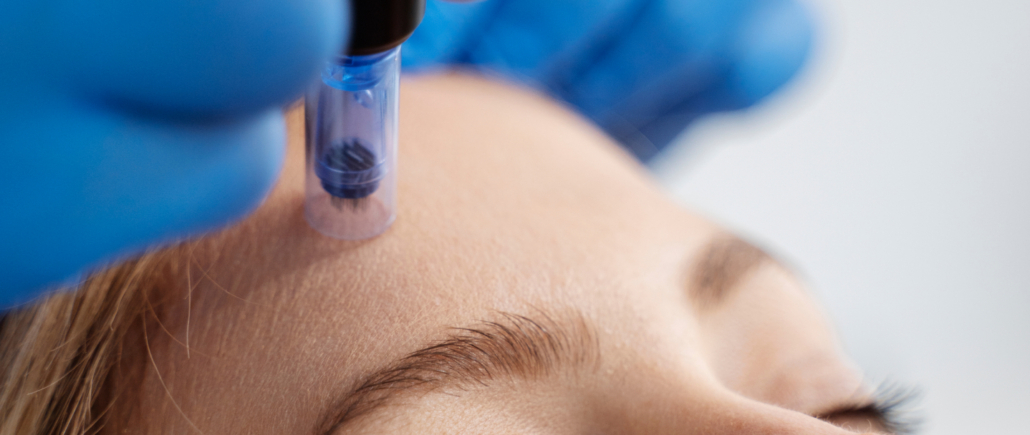
If the surface itself is uneven, dipped, pitted or raised, that is a scar. Tissue was lost or overproduced while the skin healed, and time will not restore it. This is where treatment genuinely earns its money, and the mechanism that works is collagen remodelling: creating controlled, precise injury so your skin rebuilds the missing structure. That is what microneedling does, and it is the reason it is the main treatment for indented scarring rather than any facial.
If you have raised, thickened or growing scars, particularly on the jaw, chest or back, that is hypertrophic or keloid scarring. Do not start with us. That needs a dermatologist, because the wrong treatment can make it larger.
We would rather spend the consultation telling you your marks will fade than sell you a course you did not need.
We tell you whether you have scars or marks before anything is booked.
Collagen remodelling fills in indented scarring over a course.
Skin tone and scar type change what is safe. That assessment comes before treatment.
Uneven pigment left by old breakouts responds alongside the texture work.
Routed to microneedling or a peel based on your scars, not on what we want to sell.
Improvement is the goal. No clinic can erase scarring, and we will not claim to.
Start with a free consultation and we map out the plan that suits your goals.
The consultation does the important work here. We look at your skin in proper light, assess whether you have textural scarring or flat marks, identify the scar type where there is one, and take your skin tone into account because it changes what is safe. Only then do we recommend anything. If the answer is that your marks will fade on their own, that is what you will hear, and you will leave with a plan rather than a booking.
Recovery depends entirely on which treatment we recommend, so you will get the detail on the relevant page and at your consultation rather than a vague answer here. What applies across all of them: scar improvement is gradual and cumulative, results build across a course rather than appearing after one session, and the honest goal is improvement rather than removal. Anyone offering to erase acne scarring is overselling. What is realistic is texture that is noticeably smoother and marks that are far less obvious, which for most people is the difference between skin they think about and skin they do not.
Feel the surface rather than looking at the colour. If the skin is smooth and the mark is flat, whatever the shade, it is post-inflammatory discolouration and it fades over months. If the surface itself is dipped, pitted or raised, that is a scar and it will not fade on its own. Most people asking this question have marks.
No, and be careful with anyone who says otherwise. Scarring means tissue was lost or overproduced while the skin healed. Treatment rebuilds a meaningful amount of what is missing, so scars become much less noticeable and texture looks smoother. That is improvement, not removal, and it is what any honest clinic is offering you.
Collagen induction, which in practice means microneedling. Controlled micro-injury prompts your skin to rebuild collagen in the depression, and across a course the surface lifts. Chemical peels help with shallower irregularity and overall tone. Which combination suits you depends on your scar type, and that is what the consultation decides.
Months rather than weeks, and often the better part of a year for stubborn ones. Two things change the timeline: sun exposure, which prolongs them significantly, and picking, which restarts the inflammation. Daily sunscreen genuinely is the most effective thing you can do for flat marks.
It can be, but it needs proper assessment rather than a standard protocol. Richer skin tones carry a higher risk of both keloid scarring and post-inflammatory pigmentation, which means settings, aftercare and sometimes the choice of treatment all change. Anywhere that treats every skin tone identically is not assessing you properly.
Yes. Repairing scars while new spots are still forming means you are always a step behind, and every new inflamed breakout can leave another mark. Get the acne stable first, then deal with what it left behind. Our Acne Facial page covers the first part.
That is hypertrophic or keloid scarring and it behaves completely differently. It needs a dermatologist, because several treatments that improve indented scars can make raised scars larger. We will say so at your consultation rather than attempt it.
Book a free consultation and take the first step toward healthier, more confident skin.
Le-Pelle
1511 Locust St
Walnut Creek
CA 94596
Tahoe natural Beauty
4101 Lake Tahoe blvd
South Lake Tahoe
CA, 96150