
locations
Le-Pelle
1511 Locust St
Walnut Creek
CA 94596
Tahoe natural Beauty
4101 Lake Tahoe blvd
South Lake Tahoe
CA, 96150
Free consultation




An enzyme peel is gentler because it only breaks down dead skin cells that are already loosening, so there is no downtime. A chemical peel uses acid to dissolve the bonds holding cells in place regardless of readiness, which is a deeper, controlled resurfacing that causes light flaking for several days. Enzymes suit dull or sensitive skin needing a quick refresh. Chemical peels suit texture, sun damage and fine lines that need real correction. Le-Pelle's estheticians in Walnut Creek assess your skin at consultation and recommend the right one.
You have probably seen both words on a menu of facials and treated them as interchangeable. They are not. An enzyme peel and a chemical peel both remove dead skin, but they get there in completely different ways, and the difference is exactly what decides how gentle each one actually is.
If your skin reacts to almost everything, or you have booked a peel before and regretted the redness, this is the comparison that actually matters before you book anything.
The mechanism is the whole story here, so start there.
Enzyme peels use fruit-derived enzymes, usually from papaya or pineapple, to digest the protein holding together dead, already-loosened skin cells. Enzymes are selective. They act on cells that are ready to go and largely leave living, attached cells alone, which is why the sensation is mild and there is nothing to recover from afterwards.
Chemical peels use acids, typically glycolic or salicylic, to dissolve the bonds between cells regardless of whether those cells were ready to shed. That is a deliberate, controlled injury to the surface layer, and it is what triggers the flaking and renewal that follows over the next several days. Our chemical peel page covers how we choose between those acids and match strength to your skin.
Enzyme exfoliation is gentler almost every time, and it is gentler for a specific reason rather than by reputation. It does not force cells to release before they are ready, so there is no controlled injury and no predictable recovery period. Most people feel nothing beyond a light tingle and leave with brighter, softer skin and no visible change in the days after.
A chemical peel is a resurfacing treatment, not a polish. Redness in the first day or two and light flaking for several days afterward is the normal, expected result, not a sign anything went wrong. That trade buys a deeper result: smoother texture, more even tone, and softer fine lines that build over a course of sessions.
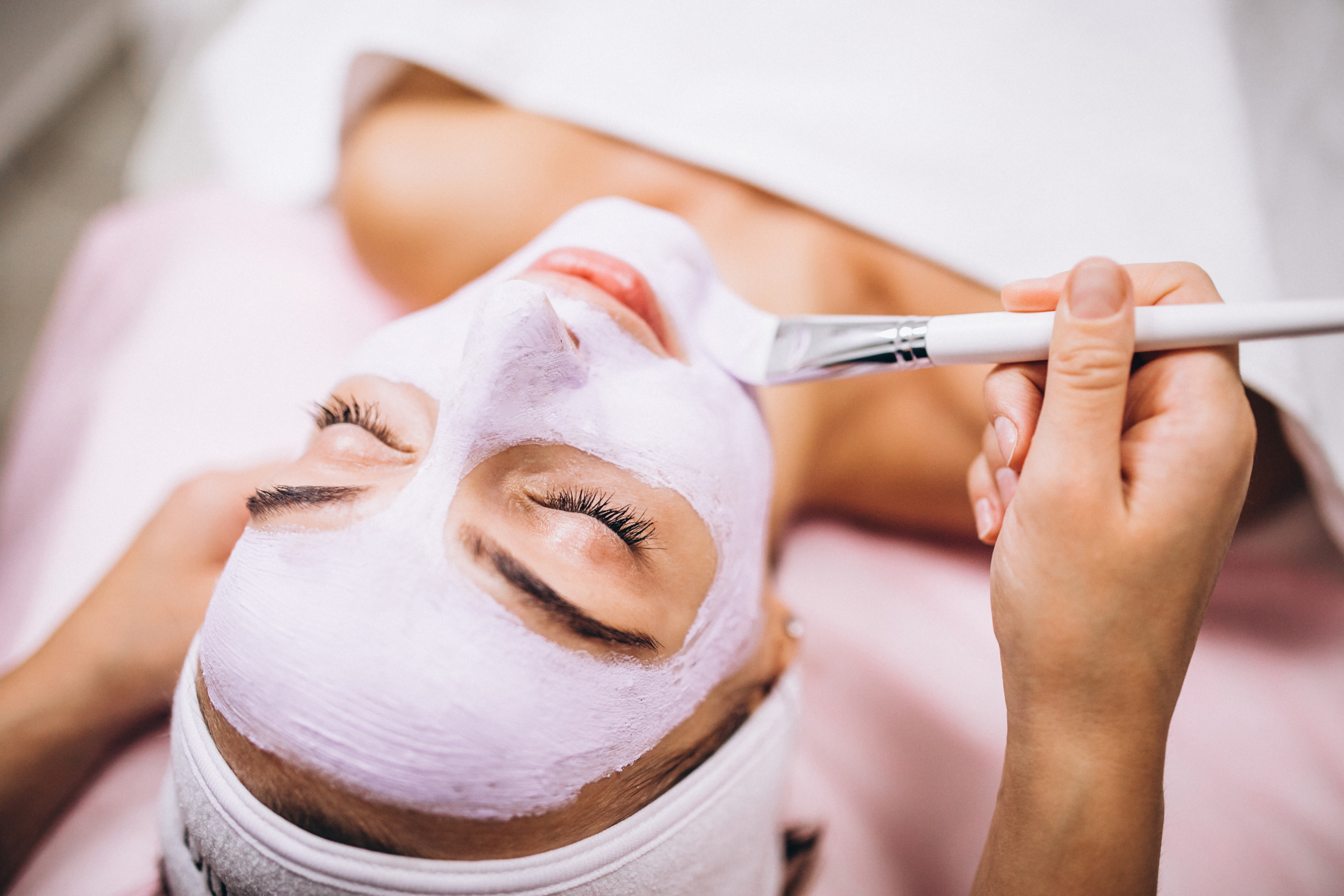
An enzyme treatment feels warm at most, never sharp, and there is nothing to plan around afterward. Your skin looks brighter walking out the door and that is essentially the whole experience.
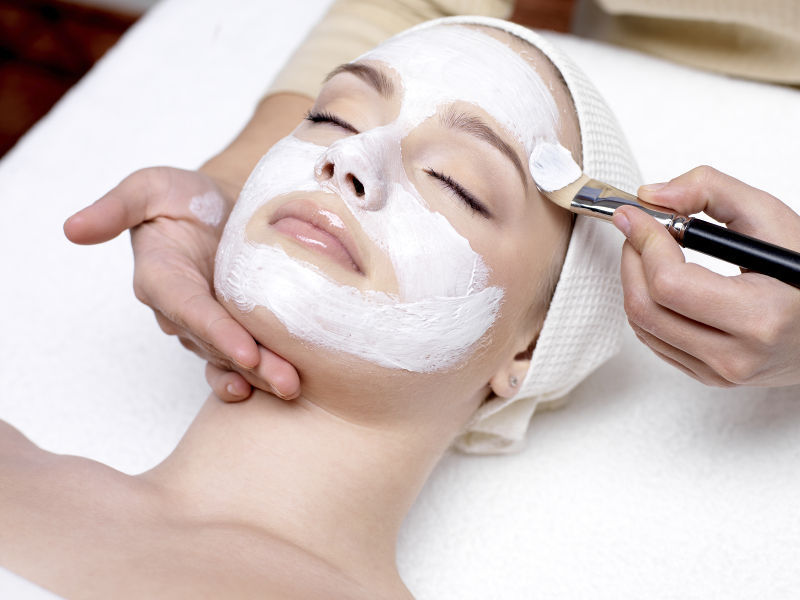
A chemical peel feels like tingling or heat while the solution sits on the skin, more noticeable with stronger formulas. Expect a sunburn-like flush for a day or two, then light flaking that should be left to come away on its own. If you are booking your first one, what to know before your first chemical peel walks through exactly what to expect and how to prepare.
Ask yourself what you are trying to fix rather than which one sounds gentler on paper. If the honest answer is “my skin just looks tired,” an enzyme-based facial gives you the result you want without any recovery attached. If the honest answer involves texture, sun damage, or lines that have been there for a while, that calls for something with more depth, and a chemical peel is the tool built for it.
Skin type matters too. Reactive, thin, or easily irritated skin generally does better starting with enzymes and working up, rather than starting with an acid and hoping it is tolerated. Your esthetician can tell you which category your skin falls into at a glance, which is a large part of what a consultation is actually for.
No. Both exfoliate, but an enzyme peel works biologically, breaking down the protein in cells that are already loosening. A chemical peel works with acid, which actively dissolves the bonds holding cells in place regardless of whether they were ready to release. That difference is why one needs recovery time and the other does not.
We would not recommend it. Even though enzyme exfoliation is mild, layering it onto skin that is mid-recovery from a peel adds irritation your skin does not need. Space them out and let one job finish before starting the next.
Not on its own. Enzymes work at the surface and are not strong enough to reach the depth where scarring sits. That is a job for a chemical peel over a course of sessions, or for microneedling, depending on what the scarring looks like.
Most people space peels a few weeks apart and build toward a course of three to five sessions, letting the skin fully recover in between. Your specialist sets the exact schedule based on the strength of peel your skin can handle.
Salicylic acid chemical peels are oil soluble, so they work well on oily, congested, or breakout-prone skin. Enzyme exfoliation is generally the safer starting point for dry or dehydrated skin, since it clears buildup without adding the extra dryness an acid peel can bring.
Enzymes are the gentle option because they only remove what your skin was already letting go of. Chemical peels are the deeper option because they remove a full layer whether it was ready or not, and that is exactly why they reach concerns enzymes cannot touch. Our pumpkin enzyme facial is the enzyme route we reach for most often in the studio.
If you are not sure which one your skin actually needs, book a consultation and we will look at your skin in person and tell you honestly which route makes sense, or you can browse our full range of treatments first. It is also worth reading what each med spa treatment actually does before you choose.
Le-Pelle
1511 Locust St
Walnut Creek
CA 94596
Tahoe natural Beauty
4101 Lake Tahoe blvd
South Lake Tahoe
CA, 96150

 24K Gold Facial Benefits: What the Science Supports